
Lifestyle Article
How to Deal With Jealousy in an Open Relationship: 7 Calm Steps

21
Jul
Jul
Disclosure: Generative AI was used for brainstorming the initial article structure and outline. The actual writing, reporting, and final edits were conducted independently by the author.
That tight feeling in your chest when your partner gets a flirty message? Totally human. Jealousy doesn’t mean you’re bad at non-monogamy, too insecure for the lifestyle, or secretly doomed as a couple.
The real question is what you do next. Learning how to deal with jealousy in an open relationship is less about eliminating the feeling and more about understanding what it’s trying to tell you before it drives the car.
And you’re far from alone. A study published in the Journal of Sex & Marital Therapy found that more than one in five single Americans had engaged in consensual non-monogamy at some point in their lives. That means plenty of real couples are figuring out jealousy, boundaries, desire, and trust in real time, not from some fantasy playbook.
Jealousy in Open Relationships at a Glance
| Trigger | What It May Mean | Best First Move |
|---|---|---|
| Fear of replacement | Need for reassurance | Ask directly |
| Partner’s excitement | Comparison spiral | Ground yourself |
| Broken agreement | Trust injury | Pause play |
| Less quality time | Need for connection | Schedule intimacy |
| New partner energy | Adjustment period | Revisit expectations |
1. Name the Feeling Before You Blame Your Partner
Jealousy often arrives wearing a disguise. Underneath it might be fear, envy, grief, insecurity, embarrassment, or anger about a boundary that got crossed.
Before you say, “You made me feel this way,” try saying, “Something came up for me, and I need a minute to understand it.” That one sentence can turn a fight into a conversation.
A helpful check-in is simple: “Am I afraid of losing my partner, or am I wanting something I’m not getting?” Those are different problems, and they need different solutions.
2. Separate Jealousy From a Broken Agreement
Not every jealous feeling means someone did something wrong. Sometimes your partner followed the rules and you still felt wobbly, especially if the situation was new.
But if an agreement was ignored, minimized, or quietly rewritten in the moment, that’s not just jealousy. That’s a trust issue, and it deserves direct repair.
Here’s the thing: open relationships don’t work because nobody gets triggered. They work when both partners can say, “We need to slow down and clean this up.”
3. Use Reassurance Without Turning It Into Permission-Seeking
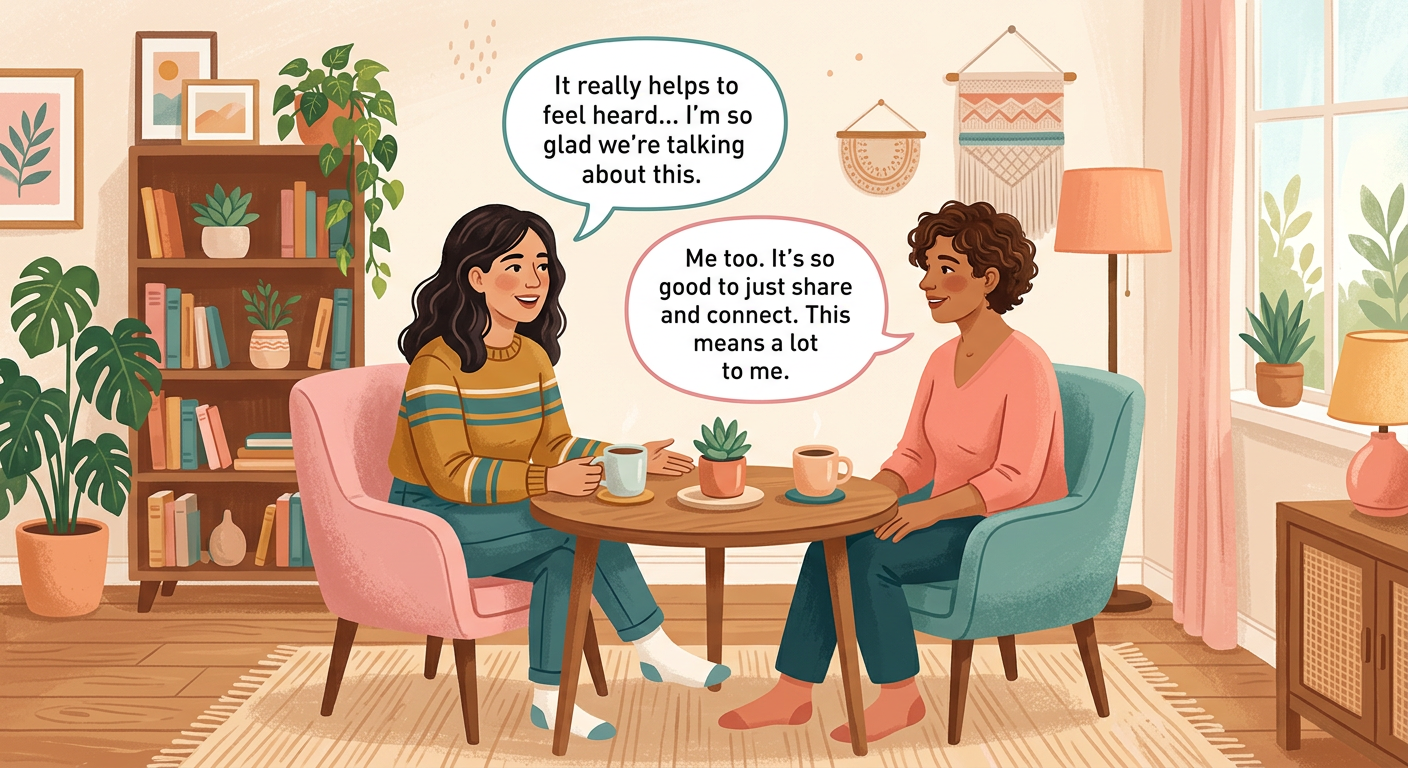
Reassurance is healthy. Needing your partner to prove their love every fifteen minutes is exhausting for both of you.
Try building a reassurance ritual before dates or lifestyle events. It might sound like, “I’m excited for tonight, and I’m coming home with you,” or “We’re on the same team, no matter who we meet.”
If you’re newer to swinging, polyamory, or any open dynamic, this matters even more. The Accidental Swingers episode on overcoming open relationship obstacles talks about staying connected through emotional mismatch, personal stress, and lifestyle needs that don’t always line up perfectly.
4. Make Your Agreements Specific Enough to Protect You
Vague rules create vague expectations, and vague expectations create big feelings. “Don’t embarrass me” sounds clear until you’re at a resort party and your partner thinks they’re being playful.
Better agreements are specific, observable, and revisitable. For example:
- “We check in before leaving with another person.”
- “No private messaging after midnight.”
- “We don’t make plans with new people until we’ve talked together.”
- “If either of us says pause, we pause without debating it in public.”
Agreements should protect connection, not control every breath your partner takes. If your rules are mostly designed to prevent discomfort, they may eventually become too tight to live inside.
5. Watch for Comparison, Especially at Events
Lifestyle spaces can be magical, but they can also poke every insecurity you didn’t know was still hanging around. Someone is younger, smoother, bolder, more experienced, more flirtatious, or apparently very chill about everything.
Comparison tells you, “I’m losing.” Connection asks, “What do I need right now?”
If you’re going to a party, takeover, resort weekend, or lifestyle cruise, decide ahead of time how you’ll reconnect. A private breakfast, a beach walk, or twenty minutes alone after play can make jealousy easier to metabolize.
For couples still learning the basics, The Nuts and Bolts of Swinging is a useful listen because it covers beginner realities, terminology, and finding your footing without pretending you already know everything.
6. Practice the Repair Conversation
The best open couples aren’t the ones who never mess up. They’re the ones who repair quickly, kindly, and specifically.
Use this structure after a jealousy flare:
- “What happened from my point of view was…”
- “The feeling that came up was…”
- “The story I told myself was…”
- “What I need next time is…”
- “Something I appreciate about you is…”
That last line matters. It reminds both of you that the relationship is bigger than the uncomfortable moment.
7. Know When to Pause the Lifestyle, Not the Relationship
Sometimes the bravest move is taking a break from play, dating apps, parties, or new partners while you rebuild safety. That doesn’t mean your open relationship failed.
It means you’re prioritizing the foundation. If jealousy is becoming panic, resentment, control, or repeated arguments, slow down before you start collecting damage you don’t know how to repair.
The Gottman Institute notes that jealousy can become a problem when it affects behavior and the overall relationship. In open relationships, that’s your signal to stop performing “cool” and start being honest.
How to Deal With Jealousy in an Open Relationship Without Shutting Down
Start by treating jealousy as information, not an emergency. If you shame yourself for feeling it, you’ll hide it until it leaks out sideways.
A better approach is to create a jealousy plan before you need one. Decide what words mean “I need reassurance,” what words mean “I need to leave,” and what words mean “I’m triggered, but I don’t want to stop the night.”
You’re not trying to become emotionless. You’re trying to become emotionally reliable.
Build Your Lifestyle Confidence With Real Couple Conversations
If you want candid, funny, and genuinely human conversations about non-monogamy, events, travel, swinging, and the moments nobody warns you about, spend some time with The Accidental Swingers. Their podcast, blogs, community, and event recaps are especially helpful for couples who want the lifestyle to deepen connection instead of turning into a guessing game.
You can also explore their podcast library or learn more about their private community options if you’re craving safer conversations with people who get it.
FAQ
Is jealousy normal in an open relationship?
Yes, jealousy is normal. It’s a human emotion, not proof that you’re failing at consensual non-monogamy. What matters is whether you can talk about it honestly and respond without punishment, secrecy, or control.
Should we close the relationship if one of us feels jealous?
Maybe, but not always. A short pause can be helpful if jealousy is intense or tied to a broken agreement. Closing permanently should be a mutual decision, not a threat used during conflict.
What if my partner doesn’t get jealous but I do?
That mismatch is common. Don’t turn it into a competition over who is more evolved. Ask for the support you need, and invite your partner to understand your nervous system instead of judging it.
Can rules prevent jealousy?
Rules can reduce uncertainty, but they can’t prevent every uncomfortable feeling. Healthy agreements create safety while still leaving room for autonomy, desire, and honest adjustment.
What’s the difference between jealousy and envy?
Jealousy often involves fear of losing someone or being replaced. Envy is usually wanting something someone else has, like attention, confidence, freedom, or a type of connection.
When should we get outside help?
Consider a non-monogamy-friendly therapist or coach if jealousy turns into repeated fights, surveillance, panic, resentment, or pressure to consent to things you don’t actually want. Support is a strength move, not a last resort.
The Real Goal Isn’t Zero Jealousy
How to deal with jealousy in an open relationship comes down to slowing the moment down enough to tell the truth. You name the feeling, check the agreement, ask for reassurance, repair quickly, and keep choosing each other on purpose.
Open relationships aren’t built on being fearless. They’re built on consent, communication, care, and the willingness to learn from the awkward parts instead of pretending they don’t exist.
